Call/WhatsApp: +91 88266 53638
Disadvantages of MBBS in Russia (2026): The Risks Worth Checking Before You Pay
Most articles about the disadvantages of MBBS in Russia stick to the same three points: cold weather, a new language, and a tough licensing exam back home. Those are real, and we've covered them elsewhere. But they're not the disadvantage that actually worries us most. The one worth taking seriously is institutional, universities that enroll well beyond their stated capacity, or that have had documented administrative or safety issues families were never told about.
We're going to walk through what we found, sourced and dated, and then tell you exactly what to check before you sign anything. This isn't meant to scare you away from Russia. It's meant to help you ask the right questions.
Table of Contents
The Complaint Numbers Are Rising, and They're Sourced
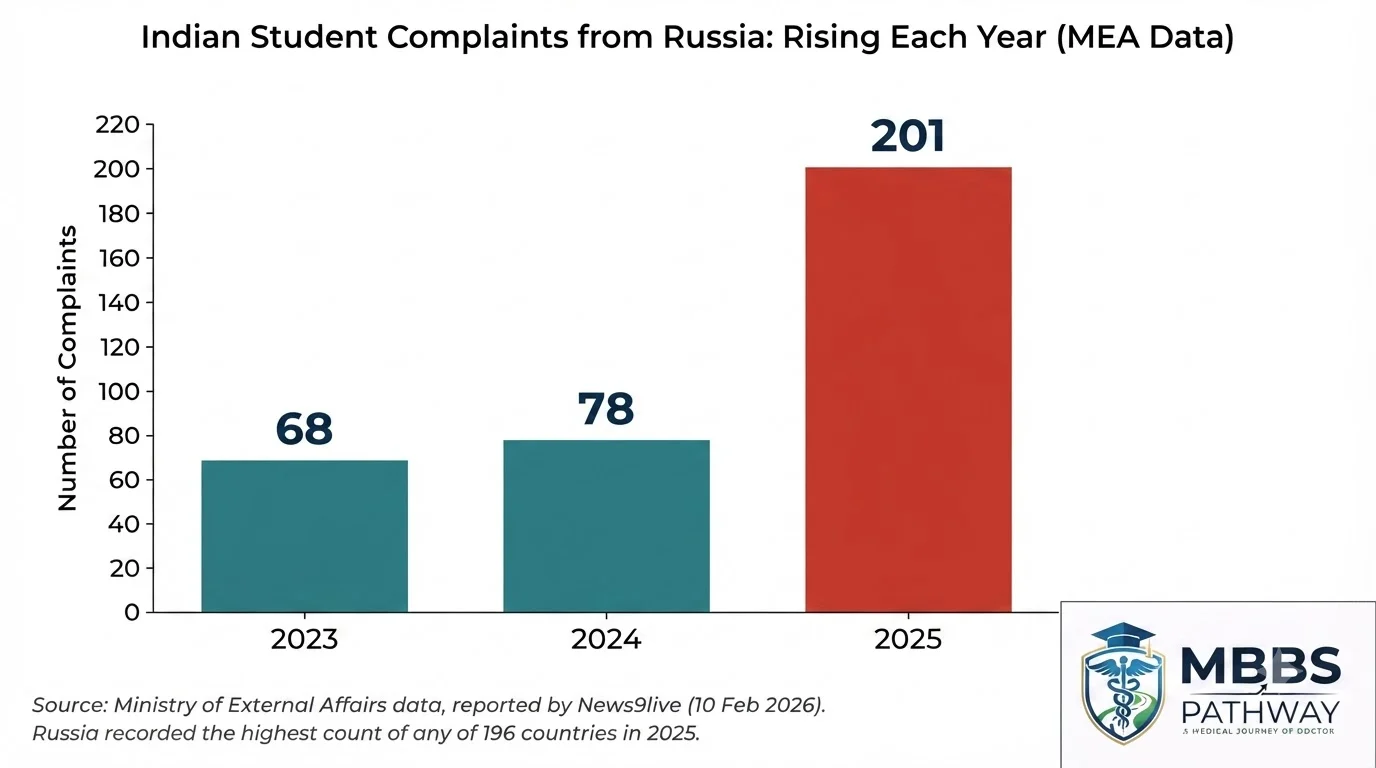
Here's a number that doesn't get much airtime. According to Ministry of External Affairs data, Indian students across 196 countries filed roughly 350 complaints in 2025 over exploitation, harassment, and related issues. Russia accounted for 201 of those, the highest of any single country, up from 78 in 2024 and 68 in 2023.
So this isn't a one-off. It's a trend, and it's moving in the wrong direction. That doesn't mean every university in Russia has problems. It does mean this is a real, growing category worth understanding, not a rare edge case.
What Actually Happened at One University, Twice
We want to be precise here, because precision matters more on this topic than almost anywhere else in this guide.
In June 2025, Bashkir State Medical University issued a notice listing 234 foreign students, most of them Indian, as ineligible to sit their exams, citing attendance and academic issues. Students and parents alleged the real driver was financial, that the university had admitted more students than it could properly support, and that some were pressured into signing paperwork ending their own enrollment. The Indian Embassy engaged with the university at the time.
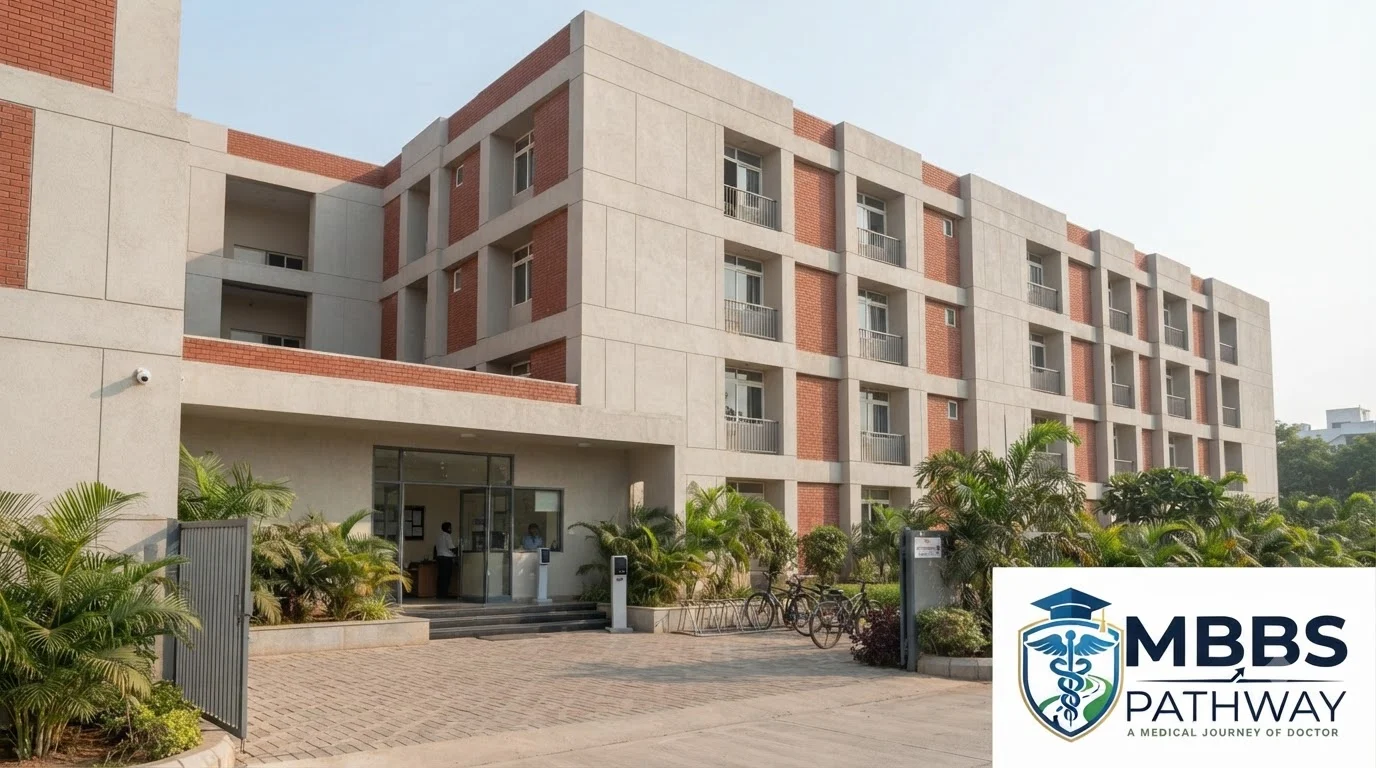
Then, separately, on 7 February 2026, a 15-year-old individual who wasn't a student at the university entered a dormitory with a knife and attacked residents and the police who responded. Four Indian students were injured, none fatally. This was confirmed by the Indian Embassy and reported independently by multiple news outlets. One detail from that reporting is genuinely useful here: no security guard was on duty at the time.
These are two different kinds of problems. One was administrative and financial. The other was a criminal act by an outsider. We're not telling you they're the same story, because they aren't. But we are telling you both happened at the same institution within eight months of each other, and as of today, we haven't found a single current marketing page for this university that mentions either one.
Why We're Telling You This Instead of Staying Quiet
Here's the thing. We checked, specifically, for any 2026 update on the June 2025 situation. What we found instead was more than half a dozen current pages actively marketing admission to this exact university, describing it as safe and reliable, with zero mention of either event. We can't tell you whether that reflects genuine resolution or simple silence. What we can tell you is that the silence itself is real and checkable.
We think a family deciding where to send a child for six years deserves better than that. So we're saying it plainly, and then we're going to tell you what to do with this information, because panic isn't useful here. Checking is.
This Isn't Just a Russia Problem
It's worth knowing this pattern isn't unique to one country or one university. In October 2025, the Indian Embassy issued an official advisory about Samarkand State Medical Institute in Uzbekistan, after the university had enrolled roughly 1,400 additional Indian students against a stated total capacity of around 3,239, well beyond what the embassy considered sustainable. The embassy noted this had affected education quality directly.
We checked current marketing for that university too. Same story: multiple 2026 pages describing it as fully secure and well-resourced, no mention of the advisory. So this looks like a sector-wide pattern of universities over-enrolling and under-disclosing, not something specific to Russia. That's actually useful to know, because it tells you the right response isn't "avoid Russia." It's "check any specific university properly, wherever it is."
How to Actually Check Before You Pay
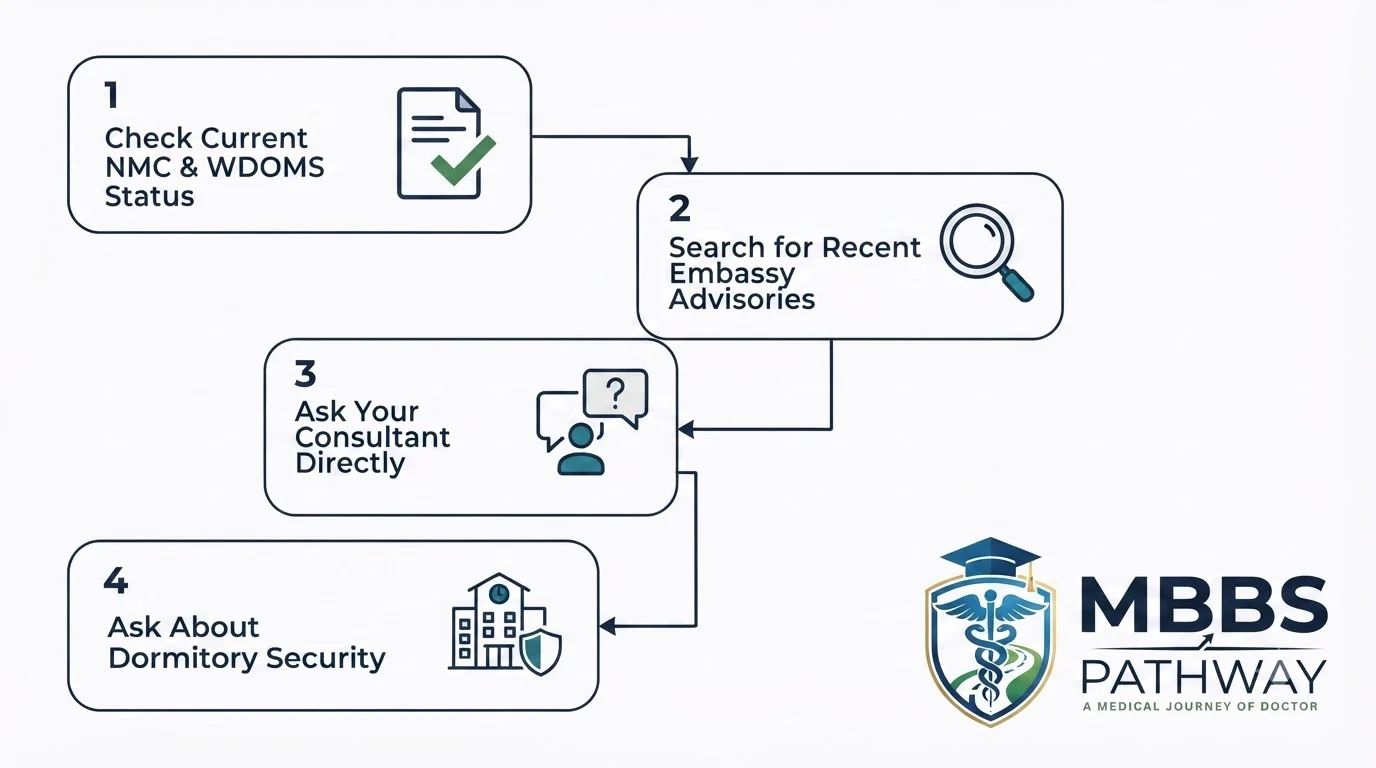
Here's what we'd genuinely recommend doing, in order. First, confirm the university's current NMC and WDOMS status yourself, directly on the official sites, not from a PDF a consultant sends you. Second, search the university's name alongside terms like "Indian embassy advisory" and look at dated, credible news results, not just consultancy blogs. Third, ask your consultant directly whether they're aware of any past incidents, administrative or otherwise, and watch how they answer. And fourth, ask specifically about dormitory security: whether guards are on duty overnight, and what the university's actual enrollment numbers look like against its stated capacity.
None of this takes long. It takes maybe twenty minutes, and it can save you from a very expensive, very painful surprise.
Does This Mean Avoid Bashkir, or Avoid Russia Altogether?
No, and we want to be direct about that. Bashkir State Medical University remains on Russia's own official list of recognised medical institutions, and a violent act by an outside intruder isn't proof the university itself failed its students, particularly once you know a security gap has been identified. Thousands of Indian students study across Russia every year without incident. What we're asking you to do isn't to write off an entire country. It's to check the specific university on your list properly, the same way you'd check anything else this important.
How We Handle This When We Counsel a Family
Frequently Asked Questions
Is MBBS in Russia safe for Indian students?
The large majority of Indian students in Russia complete their degree without major incident. That said, complaint numbers from Indian students in Russia have risen each year, from 68 in 2023 to 201 in 2025, the highest of any country, per Ministry of External Affairs data. The real risk category worth understanding is institutional and administrative, not personal safety in a general sense, though checking a specific university's security arrangements is still worth doing.
What happened at Bashkir State Medical University in 2025?
In June 2025, the university issued a notice listing 234 foreign students, most of them Indian, as ineligible to appear for exams, citing academic and attendance issues. Students and parents alleged the real reason was financial, and said they were pressured into signing self-expulsion papers. The Indian Embassy engaged with the university at the time.
Was there also a safety incident at Bashkir State Medical University in 2026?
Yes. On 7 February 2026, a 15-year-old individual, not a student, entered a university dormitory with a knife and attacked residents and responding police. Four Indian students were injured, none fatally. This was a separate incident from the 2025 expulsion story, confirmed by the Indian Embassy and multiple independent news outlets.
Should I avoid Bashkir State Medical University because of this?
We wouldn't say avoid it outright. A violent incident by an outside intruder isn't the same as evidence the university itself is unsafe to attend, and the university remains on Russia's official list of recognised medical institutions. What we would say is ask direct, specific questions about dormitory security and get a clear answer before you commit.
How do I check if a university has had past problems like this?
Search the university's name alongside terms like 'Indian embassy advisory' and check recent, dated news coverage, not just consultancy blogs. Ask any consultant directly whether they're aware of any past incidents at a university before you pay a deposit.
Does NMC approval mean a university is completely safe?
NMC approval and WDOMS listing confirm a university meets recognised academic standards for licensing purposes. It doesn't cover physical security arrangements, enrollment practices, or administrative conduct, which are separate things worth checking on their own.
What is the real disadvantage of studying MBBS in Russia?
Beyond the commonly mentioned cold climate and language adjustment, the disadvantage worth taking seriously is institutional risk, universities that admit beyond their stated capacity or have had documented administrative or safety incidents. This is checkable, and it's worth checking before you pay rather than after.
What should I ask before paying an admission deposit?
Ask for the university's current NMC and WDOMS status directly, ask whether the consultant is aware of any past administrative or safety incidents, and ask specifically about dormitory security arrangements, including whether security staff are present at night.
Are Indian students facing more complaints in Russia than other countries?
Yes, per the most recent Ministry of External Affairs data. Russia recorded 201 complaints from Indian students in 2025, the highest of any of the 196 countries tracked, up from 78 in 2024 and 68 in 2023.
Is this kind of institutional risk unique to Russia?
No. A near-identical pattern, a university enrolling well beyond its stated capacity, was flagged by an official Indian Embassy advisory at Samarkand State Medical Institute in Uzbekistan in October 2025. This appears to be a pattern across the MBBS-abroad sector, not something specific to one country.
What happens if my university's situation changes after I enroll?
This is exactly why NMC's rule requiring your full course and internship at the same institution matters. A serious change in a university's standing partway through your degree is a real risk, which is why checking current status before you commit, not just at admission, is worth doing.
How does MBBS Pathway check for risks like this?
We check a university's current NMC and WDOMS status directly, look for any recent embassy advisories or credible news coverage, and tell families what we find, even when it isn't flattering. We'd rather lose a booking than place a student somewhere we haven't checked properly.
Want a specific university checked properly before you commit anything?
Get a Free ConsultationWe'll go through exactly what we find, current status included.
Related reading: How to Identify Fake MBBS Consultants in India · FMGE Pass Rate of Russian Medical Universities 2026 · NMC Guidelines for MBBS Abroad